



About Skin





Last posts

SKIN HEALTH
Causes and prevention: Sensitive skincare tips you need
Healthy skin matters, every season of the year.
5 minutes read

SKIN HEALTH
How to care for eczema-prone skin: Symptoms, causes, treatment and prevention advice
Eczema is a skin condition rather than a skin type and is thought to be caused by a number of factors including genetics
7 minutes read
STAY PROTECTED
Sanex Personal Hygiene Skin Tips
From our hair to our hands and teeth, maintaining good personal hygiene is essential to our health and wellbeing.
8 minutes read
STAY PROTECTED
How to care for dry skin
When the seasons change from hot, summery weather to cold, windy conditions, we have to make a lot of changes too.
8 minutes read
SKIN HEALTH
Skin care tips: Why you should add body lotion to your skin care routine
You probably take the time to moisturise your face each morning, but what about your body?
7 minutes read

PREGNANCY
Pregnancy Skin Care: The best skin care to use during pregnancy
During pregnancy, the body is flooded with a whole new range of hormones that can completely change the skin.
5 minutes read
MEN
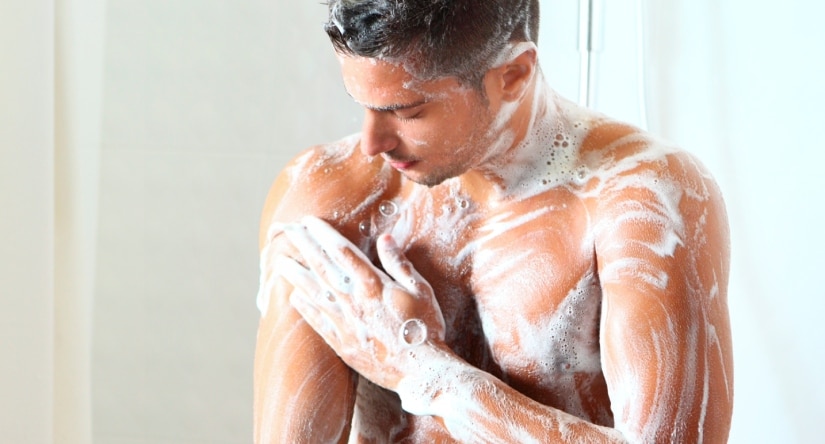
Skin Care Tips: Why every man should moisturise their skin
From quenching thirsty skin, to smoothing lines and making your skin feel comfortable.
5 minutes read

Stay Protected
Keep Your Skin Naturally Healthy with Sanex Zero%
Enter Sanex Zero% - the skincare range that helps promote healthy skin while respecting the planet.
8 minutes read

KIDS
Skin Care Tips: The Power of Bath Time with Your Kids
The power of bath time is sometimes taken for granted. Bath time with babies and kids is just one of many ways to bond as a family and can have a huge impact on your kids.
5 minutes read

Connect


(©) 2022. All rights reserved Sitemap Terms of use Cookies notice Children's Privacy Policy Binding Corporate Rules Cookie Consent Tool Privacy policy PAIA Manual