



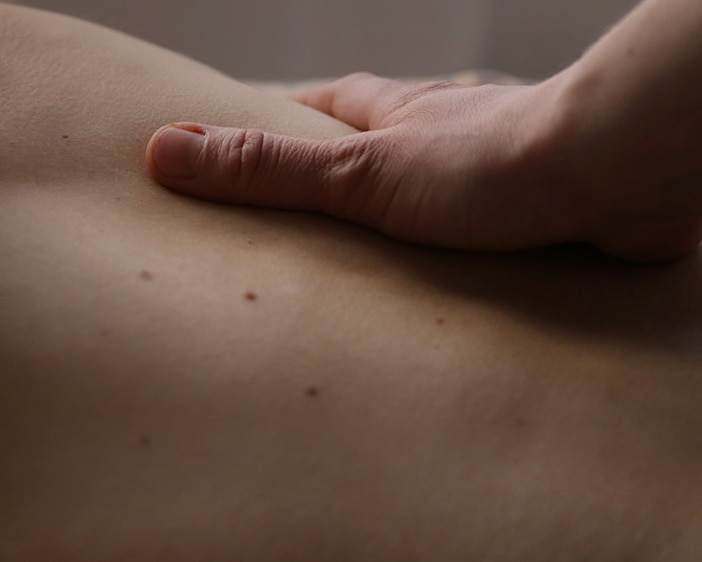
Instantly makes
skin feel soft
& hydrated
welcome to sanex
WE KNOW WHAT YOUR SKIN NEEDS
Sanex is passionately invested in offering you advanced products, designed to keep the skin healthy.
DERMATOLOGICALLY TESTED
Safe for skin, keeping it at its natural, healthy best.
FEWER FRAGRANCE
ALLERGENS
Formulated to help reduce the risk of allergic skin reactions.

ESSENTIALS ONLY
No ingredients that are unnecessary, harsh or controversial.
-

Sanex Dermo Extra Control Fresh Roll-On
Formulated with micro talc, it has been dermatologically tested to protect you from odours and sweat for 48h whilst keeping your skin’s pH in balance. Stay fresh and dry for longer while caring for your skin. -

Sanex Dermo Invisible Cool Roll On
Sanex Dermo Invisible Anti White Marks 48h Anti-Perspirant. With 0% alcohol, it has been dermatologically tested to be effective on sweat and mild on skin, keeping it dry and fresh. Feel confident and mark free while keeping your skin healthy. -

Sanex Dermo Pro Hydrate Roll On
Sanex Dermo Pro-Hydrate gives you effective protection for 48H. Works against odour causing microbes, while respecting the skin’s flora. -

Sanex Dermo Sensitive Roll On
Sanex Dermo Sensitive Anti-Perspirant Roll-On 50ml is formulated with no alcohol to be gentle on sensitive skin. Its formulat is designed to fight off odour-causing bacteria, while keeping skin healthy and fresh for up to 48 hours. -

Sanex Expert Skin Health Hypoallergenic Shower Gel
Sanex Hypoallergenic Shower Gel has been expertly crafted to gently clean very sensitive skin while boosting skin’s natural defenses. -

Sanex Expert Skin Health Kids Body Shower Gel
Sanex Dermo Kids Biome Protect Body Wash & Foam Bath is a head to toe wash has been expertly crafted to gentle cleanse children's delicate skin while boosting skins natural defenses. -

Sanex Expert Skin Health Moisturising Shower Gel
Sanex Dermo Moisturising Biome Protect Shower Gel has been expertly crafted to gently cleanse dry skin while boosting its natural defenses. For normal/dry skin. -

Sanex Expert Skin Health Pro Hydrate Shower Gel
Sanex Dermo Pro Hydrate Biome Protect Shower Gel has been expertly crafted to gently cleanse very dry skin while boosting skins natural defenses. -

Sanex Expert Skin Health Protector Shower Gel
Sanex Dermo Protector Biome Protect Shower Cream has been expertly crafted to gently cleanse skin while boosting skin’s natural defenses. -

Sanex Men Dermo Invisible Roll On
Sanex Men Invisible Roll-On, anti-perspirant perserves your clothes from white marks and yellow stains. Its formula actively works with your skin's natural process to: help restore your skin's natural PH, provide 48H effective protection from sweat and target malodor at source -

Sanex Men Dermo Sensitive Roll On
Sanex Men Sensitive 48H Anti-Perspirant helps to reduce irritation and allergies, keeping skin healthy, thanks to its dermatologically tested, 0% alcohol formulation. Designed to protect for 48 hours, it fights odour, respects the skin, and keeps you fresh and dry all day. -

Sanex Men Extra Control Cool Roll On
For long-lasting protection, reach for Sanex Men Extra Control 48H Anti-Perspirant. Formulated for men, its fresh, odour-fighting formula kicks into action the moment you need it – working non-stop for 48 hours. Dermatologically tested, with zero alcohol, it also keeps skin healthy. Stay cool, fresh and dry all day, all night and beyond. -

Sanex Men Skin Health Active fresh Shower Gel
Sanex Men Odour Protect 500ml is a refreshing shower gel that provides odour protection for 24hrs. Its formula is enriched with a deodrant complex that helps control body odour for 24 hours after the shower. Respects your skin's natural PH. -

Sanex Men Skin Health Intense Clean Shower Gel
Sanex Men Skin Health Intense Clean Shower Gel helps reduce sebum while helping to protect the skin from pollution. Its formula is enriched with vitamin E, known for its antioxidants action. Respects your skin's natural PH. -

Sanex Men Skin Health Protect & Care Shower Gel
Cleanse and calm sensitive skin with Sanex Men Sensitive Skin Shower Body & Face. Developed for men and dermatologically approved, it works hard to remove dirt and grime without disturbing the skin’s pH or protective barrier. Soap free and freshly fragranced, it won’t aggravate your skin, keeping it strong, healthy and hydrated. -

Sanex Zero% Dry Skin Shower Gel
Sanex Zero% Dry Skin Shower Gel contains minimal ingredients for clean and moisturized skin. It keeps skin healthy whilst respecting the environment. -

Sanex Zero% Respect & Control Roll On
Effective odour protection up to 24H with 0% colourants, 0% ethyl alcohol. Dermatologically tested. -

Sanex Zero% Sensitive Roll On
Dermatologically tested odour protection that keeps sensitive skin healthy. Sanex Zero% Sensitive Skin Roll-On has 0% alcohol, while offering you 24-hour odour protection. -

Sanex Zero% Sensitive Shower Gel
Sanex Zero% Sensitive Shower Gel contains minimal ingredients for clean and moisturised skin. It keeps skin healthy whilst respecting the environment.
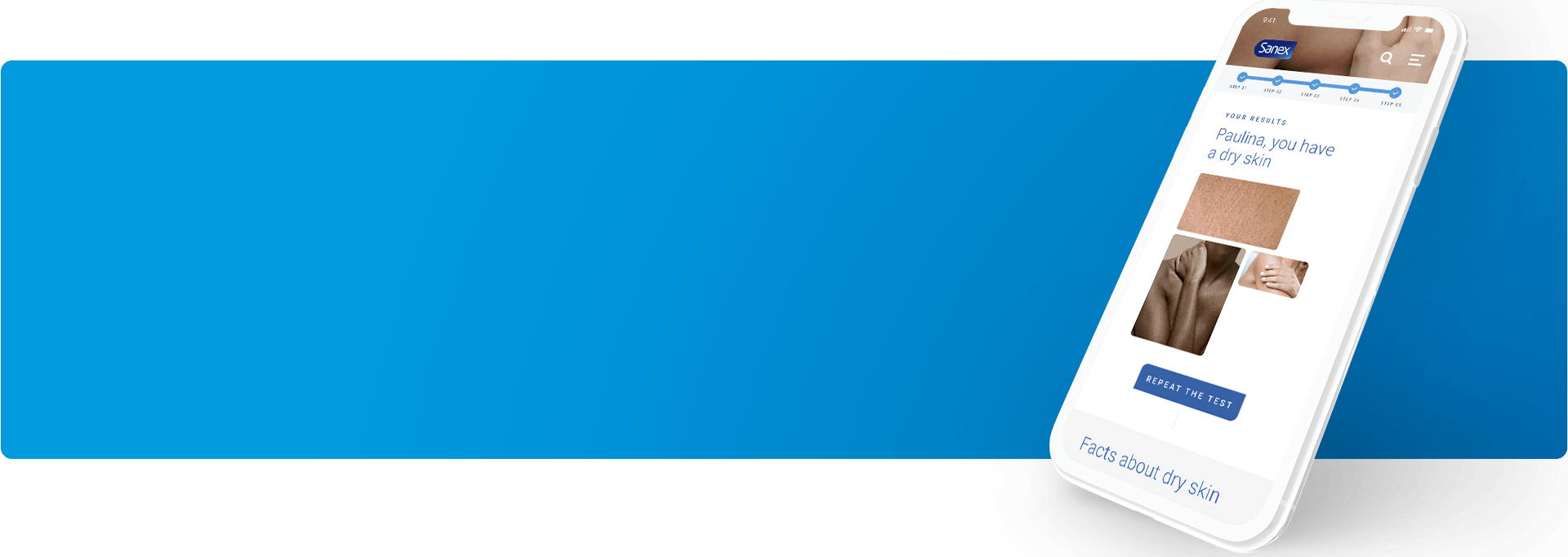
Do you know the best routine for your skin type? Use our skin finder to discover how to keep it healthy and resilient.
YOUR SKIN IS POWERFUL
Skin needs everyday care in order to stay healthy.
Sanex has introduced a new microbiome range. Formulated with a proprietary prebiotic and postbiotic complex that nourishes your skin’s microbiome, everyday.


Our expertise
Our deep expertise has led us to understand how skin works and how to keep it healthy. On that basis, we pour all of our passion and dedication into offering advanced skincare solutions to help keep everyone’s skin at its healthy best in a natural way.

Connect


(©) 2022. All rights reserved Sitemap Terms of use Cookies notice Children's Privacy Policy Binding Corporate Rules Cookie Consent Tool Privacy policy PAIA Manual